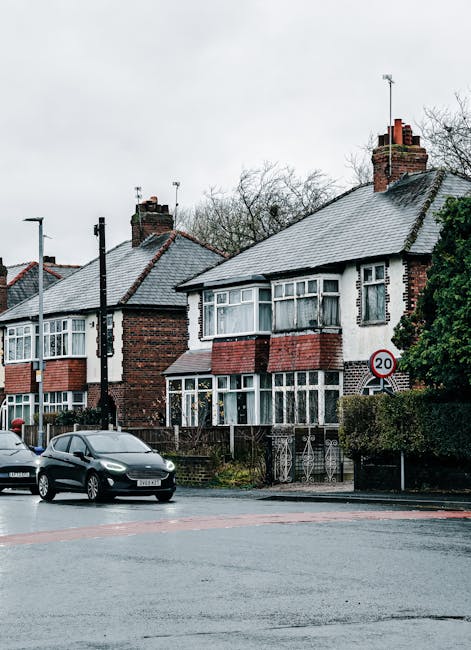
Bridgewater Road house clearance common rubbish problems

If you are dealing with Bridgewater Road house clearance common rubbish problems, you probably already know the awkward bits are rarely the obvious ones. It is not just about lifting a sofa or emptying a loft. It is the bag of mixed rubbish behind the shed, the half-full paint tins, the broken wardrobe with no matching screw, and the question of what can safely go, what needs sorting, and what should never just be tipped into one van and hoped for the best.
That is where a proper, thoughtful clearance plan makes all the difference. This guide breaks down the usual problems people run into during house clearance on or around Bridgewater Road, why they matter, how the process works in practice, and how to avoid the messy mistakes that slow everything down. If you are trying to clear a property without stress, this should give you a very clear starting point.
Why Bridgewater Road house clearance common rubbish problems Matters
House clearance sounds straightforward until you are standing in front of mixed household waste that has been building up for years. On a road like Bridgewater Road, where homes may have different layouts, storage patterns, and access quirks, the rubbish problems can multiply quickly. One room is fine. Then you open the loft hatch and there it is: dusty boxes, broken ornaments, old paperwork, a cracked suitcase, and a smell that tells you the property has not been properly sorted in ages.
These problems matter for more than convenience. Mixed rubbish can affect safety, disposal costs, recycling options, and how quickly a clearance can be completed. If items are not separated properly, usable furniture can end up treated as waste. Hazardous items can be missed. Access routes can be blocked. And suddenly a job that should feel manageable becomes slow, expensive, and frankly a bit of a headache.
There is also the emotional side. Many clearances happen after a house move, a bereavement, a long period of accumulation, or a tenant turnover. In those moments, people do not just need muscle; they need calm, practical guidance. That is why understanding the common rubbish problems first is so useful. It helps you make better decisions before anyone starts carrying bags down the stairs.
Key point: the main value of a good house clearance is not just removal. It is sorting the right things, in the right way, without creating extra mess, delay, or avoidable cost.
How Bridgewater Road house clearance common rubbish problems Works
In practical terms, a house clearance usually starts with assessment. Someone looks at the property, notes the volume and type of rubbish, checks access, and identifies anything awkward: heavy items, sharp waste, electricals, damp materials, or things that may need separate handling. That first look matters more than people realise. A quick glance can miss a lot, and the "oh, there's also the garage" moment tends to happen after the van has already arrived. Not ideal.
Once the job is understood, the clearance team or household decides how to separate items. Broadly, rubbish tends to fall into a few groups:
- General waste such as broken household clutter, food-stained packaging, and non-recyclable mixed rubbish.
- Recyclables such as clean cardboard, metal, some plastics, and certain reusable household materials.
- Bulky items including wardrobes, sofas, beds, and large cupboards.
- Electrical items such as TVs, microwaves, kettles, computers, and other WEEE-type waste.
- Potentially hazardous items such as paint, solvents, batteries, chemicals, and broken glass.
- Personal or sensitive materials like documents, photos, and records that should be handled carefully.
The common rubbish problems on Bridgewater Road are usually less about one big item and more about combination problems. For example, a loft might contain insulation dust, old toys, cracked storage boxes, and metal fixtures all mixed together. Or a garage might hold builders' offcuts, bike parts, old tyres, bags of garden waste, and one sofa that was moved there "temporarily" about four years ago. Yes, that happens. Quite a lot.
The best results come from a methodical approach: sort first, remove second, and only then deal with final disposal. That sounds simple, but it saves a surprising amount of time and avoids the kind of pile-up that makes a property look worse before it looks better.
Key Benefits and Practical Advantages
When rubbish problems are handled properly during a house clearance, the benefits show up fast. The obvious one is less clutter. But the real value goes a bit deeper than that.
- Better recycling outcomes: separating material early means more items can be diverted from general waste.
- Lower risk of damage: careful sorting helps protect floors, walls, stair rails, and door frames during removal.
- Safer working conditions: sharp, heavy, or unstable waste is handled in a more controlled way.
- Faster clearance: organised jobs are usually quicker to complete than badly sorted ones.
- Less stress: you are not making decisions in a panic while bags pile up in the hallway.
- Cleaner final result: the property feels ready for sale, let, refurbishment, or handover.
A practical advantage people sometimes overlook is the effect on neighbours and shared spaces. In parts of London, access can be tight. If rubbish is left outside too long, or stacked badly, it can become an eyesore and a nuisance. Good planning keeps the job tidy from start to finish. That matters. A lot.
There is also peace of mind. When you know the waste has been sorted properly and the heavy lifting is under control, the whole property starts to feel manageable again. And to be fair, that feeling counts for more than most people expect at the start.
Who This Is For and When It Makes Sense
This topic is relevant to a surprisingly wide group of people. You may need help if you are:
- clearing a family home after a move or bereavement
- preparing a property for sale or rent
- dealing with a build-up of mixed rubbish in a loft, garage, shed, or spare room
- emptying a property after tenants leave behind unwanted items
- trying to reclaim usable space before renovation
- sorting bulky furniture and general clutter in one go
It makes sense to act sooner rather than later when rubbish is starting to affect everyday use of the home. If you cannot open a wardrobe without moving three boxes first, or if the garage has become a storage cave for broken items you keep meaning to sort, the job is already costing you time and mental energy.
People often wait because they think the mess is "not that bad." Then one cupboard turns into two, and before long there is a whole room that needs proper attention. Let's face it, clutter is sneaky. It does not arrive with a label saying "I will become a bigger problem next month."
This is also relevant if you need a full property clearance but only have a short window before contractors, agents, or family members need access. In those cases, a structured process is far better than random bagging and hoping for the best.
Step-by-Step Guidance
Here is a practical way to approach house clearance rubbish problems without turning the day into chaos.
- Walk through the whole property first. Check every room, cupboard, loft, under-stairs area, garage, and garden store. Hidden items are often where the trouble starts.
- Separate keep, donate, recycle, and dispose. Even a rough first sort helps. You do not need museum-level precision, just enough to stop mixed waste from swallowing everything.
- Identify problem waste. Look for batteries, paint, solvents, broken glass, sharp metal, damp textiles, or anything that could cause injury or contamination.
- Take bulky items out first if they block access. Sofas, wardrobes, and beds often create the access bottleneck. Removing them early can make the rest easier.
- Bag or box loose waste carefully. Do not overfill bags. Heavy mixed bags split at exactly the wrong moment - usually on stairs, because of course they do.
- Keep paperwork and personal items separate. Sort documents, photos, keys, and valuables before the general clearance starts moving fast.
- Load in a sensible order. Heavier items go in first, lighter breakable items are protected, and recyclables are kept apart where possible.
- Check the final sweep. Look behind doors, under beds, in loft corners, and in sockets or shelves for overlooked items.
If the property has multiple types of waste, the safest and cleanest approach is to deal with each group methodically instead of mixing everything together. It sounds slower. Sometimes it is, at the start. But it usually saves time overall because you avoid double handling and sorting mistakes later.
One small but useful tip: place a clear "keep" zone in one corner of the room. That simple action cuts down on accidental removals. In a busy clearance, labels and zones do more work than people think.
Expert Tips for Better Results
After seeing enough clearances, a few patterns become obvious. The jobs that go smoothly usually have one thing in common: somebody thought ahead.
Start with the awkward waste. If there are paint tins, old chemicals, or mixed rubble, identify them first. These are the items most likely to slow you down later.
Do not underestimate loft and garage clutter. Many people focus on visible rooms and forget the real problem is above or beside them. The loft always has a surprise. Always.
Protect access routes. Lay down covering where needed and keep hallways clear. A tidy route makes the whole job feel calmer and reduces the chance of knocks and scrapes.
Think about weight distribution. Heavy bags are awkward, and uneven loads can make lifting unsafe. Better to use several manageable loads than one heroic bag that tears halfway down the stairs.
Keep a decision tray for unsure items. Put uncertain things in one place instead of making repeated trips to "maybe" piles. This saves mental energy and stops the room from becoming a second guessing game.
Build in a final pause. Before the last load leaves, stand back and check the room from the doorway. You will notice stray items much more easily when you view the space as a whole. It is a small trick, but oddly effective.
If the clearance is sensitive, such as after a bereavement or following a long tenancy, it helps to work in calm stages. A hurried clear-out can create regret. Better to pause, confirm, then continue. No drama needed.
Common Mistakes to Avoid
Most clearance mistakes are predictable, which is good news, because that means they are avoidable. Here are the big ones.
- Mixing everything into one pile: this makes recycling harder and can create disposal issues.
- Ignoring hidden waste: the back of cupboards, loft corners, and under-bed areas are easy to miss.
- Overfilling bags: this leads to splits, spills, and a lot more lifting than you wanted.
- Forgetting hazardous items: batteries, liquids, and sharp materials should not be treated like ordinary rubbish.
- Keeping no clear "keep" area: without one, useful belongings get folded into clearance waste by accident.
- Leaving access until the end: if a hallway is blocked, every other part of the job gets harder.
- Assuming all bulky items are the same: a sofa, a wardrobe, and a broken appliance each need slightly different handling.
Another mistake is trying to judge the whole job from one room. In many homes, the front room looks manageable while the loft, garage, and garden contain the real workload. That mismatch can throw off timing and effort estimates badly. So if the first room looks easy, maybe do not celebrate too early.
And a small one that matters: leaving wet or mouldy waste stacked inside for too long. It can smell, stain, and worsen the condition of nearby items. If something is damp or deteriorating, it should be dealt with promptly.
Tools, Resources and Recommendations
You do not need a warehouse full of equipment to manage a clearance well. A small set of practical tools goes a long way.
| Tool or Resource | What it helps with | Why it matters |
|---|---|---|
| Heavy-duty bags and boxes | Containing mixed items safely | Reduces splits and keeps sorting tidy |
| Gloves and sturdy footwear | General handling and foot protection | Useful around broken items and sharp edges |
| Labels or coloured tape | Separating keep, recycle, and dispose piles | Makes decisions easier during busy clearances |
| Trolley or sack truck | Moving heavy loads | Helps avoid strain and repeated carrying |
| Protective coverings | Safeguarding floors and stairs | Minimises scuffs and mess during removal |
Useful service pages on this site can also help if your clearance overlaps with a specific type of waste or property area. For example, a full house clearance may include bulky furniture, while a cluttered loft may need loft clearance support. If the problem is mainly large old items, furniture clearance or furniture disposal may be more relevant.
For larger messes, a broader waste removal solution can be helpful, while a property with mixed clutter across rooms may need home clearance. If the build-up extends outdoors, then garden clearance or garage clearance may be worth looking at too.
Some jobs are more specialised. Renovation debris may sit better under builders waste clearance, and larger workplace clean-outs may call for office clearance. Choosing the right route keeps the job practical instead of forcing everything through the same funnel.
Law, Compliance, Standards, or Best Practice
For house clearance and rubbish removal in the UK, the safest approach is to follow recognised waste-handling best practice. You do not need to become a legal expert to do that, but you do need to be careful about what gets moved, where it goes, and who is handling it.
In general, you should treat the following as items needing extra care:
- Electrical waste such as TVs, computers, and kitchen appliances
- Hazardous household items including chemicals, paints, solvents, and some cleaning products
- Sharp waste like broken glass, metal edges, or damaged frames
- Data-sensitive materials such as statements, letters, and personal records
It is also wise to use insured, safety-conscious practices when lifting and loading. That means sensible weight limits, correct handling, and care around stairs, tight doorways, and driveways. The practical reality is simple: a safe clearance is a better clearance. Faster too, usually.
Environmental best practice matters as well. Reuse and recycling should be considered before disposal wherever possible, especially for furniture and usable household goods. Not everything needs to become waste the moment a property is cleared. A table with a sound frame, for example, may be reusable even if it looks tired. That little bit of judgment helps reduce waste and can make the whole process feel more responsible.
If you are ever unsure about a specific item, treat it cautiously and keep it separate until it can be assessed properly. That is the sensible line. No drama, just common sense.
Options, Methods, or Comparison Table
There is more than one way to handle house clearance rubbish problems. The best option depends on volume, item type, urgency, and how much sorting you want to do yourself.
| Method | Best for | Strengths | Limitations |
|---|---|---|---|
| DIY sorting and trips to disposal points | Small amounts of well-separated waste | Full control, can be low cost if the volume is tiny | Time-heavy, tiring, and less practical for bulky items |
| Partial clearance with self-sorting | Homes where only some rooms are cluttered | Good balance of control and efficiency | Requires planning and physical effort |
| Professional clearance support | Large, mixed, or awkward clearances | Fast, organised, and often better for heavy lifting | Usually costs more than doing it alone |
| Room-by-room staged clearance | Properties with multiple cluttered areas | Reduces overwhelm and improves decision-making | Takes longer overall, but can feel more manageable |
If the biggest issue is just one area, such as a loft or garage, a focused clearance can be enough. If the property has general clutter across several rooms, a full house clearance is often more sensible. For a single room in a smaller property, flat clearance may be a better fit.
The main decision is not "which method sounds best in theory?" It is "which method will actually finish the job without leaving half the rubbish behind?" That is the question worth asking.
Case Study or Real-World Example
Here is a realistic example. A homeowner on Bridgewater Road needs to clear a semi-filled property before a sale. The front room contains old shelving, a damaged armchair, and mixed bags of household rubbish. The kitchen has several broken small appliances and boxes of expired cleaning products. The loft, which had been left alone for years, contains paper records, dusty ornaments, and collapsed storage boxes. The garden has a few broken planters and a damp pile of general waste in one corner.
At first glance, it looks like one massive job. But once sorted properly, the situation becomes manageable. The paperwork and personal items are separated first. The electricals are kept apart. The hazardous household items are isolated carefully. Bulky furniture is removed to open up access. Then the remaining mixed waste is bagged and cleared in stages.
The key learning from jobs like this is simple: the problem is rarely the volume alone. It is the mixture. When the rubbish is all tangled together, decision-making slows down and the room feels bigger than it is. Once the categories are split out, the whole property starts to make sense again. You can almost hear the space breathe, if that does not sound too odd.
Another practical lesson: the loft and garden almost always reveal extra waste that was not on the original list. So even if the quote or plan looks reasonable at first, a proper walk-through helps avoid surprises. That little bit of honesty up front saves a lot of frustration later.
Practical Checklist
Use this checklist before starting a clearance or deciding what needs professional help.
- Have you checked every room, cupboard, loft, garage, and outside area?
- Have you separated keep, donate, recycle, and dispose piles?
- Are there any batteries, paints, solvents, or other awkward items?
- Have you identified large furniture that blocks access?
- Are heavy bags manageable and not overfilled?
- Have you protected floors, stairs, and door frames where needed?
- Are personal documents and valuables safely removed?
- Do you know which items need special handling?
- Is there a sensible final sweep planned before the job ends?
- Have you thought about whether the job needs a broader clearance service?
Quick takeaway: if the clearance includes mixed waste, bulky furniture, and hidden storage areas, you will usually save time by sorting in stages rather than trying to remove everything at once.
Get a free quote today and see how much you can save.
Conclusion
Bridgewater Road house clearance common rubbish problems usually come down to the same few things: mixed waste, hidden clutter, bulky items, awkward access, and the occasional surprise item that nobody wants to deal with first thing in the morning. The good news is that once you understand those patterns, the job becomes much easier to manage.
The best clearances are rarely the most dramatic ones. They are the organised ones. The ones where rubbish is sorted properly, risky materials are handled carefully, and the property is left clean enough for the next step, whether that is selling, letting, renovating, or simply getting your space back.
If you are facing a clearance now, do not wait for the clutter to sort itself out. It will not. But with the right plan, it can be dealt with sooner than you think, and a lot more calmly than you might expect.
And honestly, there is something quietly satisfying about seeing a room clear right back to its bones. Fresh air, empty floorboards, no hidden mountain of boxes. A proper reset.
Frequently Asked Questions
What are the most common rubbish problems in a house clearance?
The most common problems are mixed waste, bulky furniture, hidden clutter in lofts or garages, hazardous household items, and items that could have been recycled or reused if they had been sorted earlier.
Do I need to sort everything before a house clearance?
Not necessarily. A basic sort is helpful, though. If you can separate keep, recycle, and dispose piles, the clearance tends to go more smoothly and with fewer mistakes.
What items are usually hardest to clear?
Large wardrobes, sofas, damaged appliances, old paperwork, and anything awkwardly stored in lofts or tight spaces are often the most time-consuming items to deal with.
Can electrical items go with general rubbish?
Usually not. Electrical items should normally be kept separate because they may need different handling from ordinary household waste.
What should I do with paint tins and chemicals?
Keep them separate from general waste and handle them cautiously. If you are unsure, do not mix them in with normal bags of rubbish.
How do I avoid missing items during a clearance?
Walk through every room methodically, including lofts, cupboards, under beds, and outside storage. A final sweep from the doorway often catches things you missed earlier.
Is house clearance the same as waste removal?
Not quite. Waste removal is broader, while house clearance usually involves sorting and removing items from a property, often with more attention to furniture, belongings, and mixed household contents.
What if I only need one room cleared?
That can still be handled as a smaller clearance. It is common for lofts, garages, spare rooms, or single cluttered spaces to be dealt with separately.
How do I know if the job is too big for DIY?
If there are heavy items, a lot of mixed waste, awkward access, or time pressure, it is often better to get help rather than trying to do it all yourself.
Can reusable furniture be kept out of the waste stream?
Yes, if it is still in decent condition. A practical clearance should look at reuse before disposal wherever possible, especially for solid furniture and household items that still have life left in them.
Why does sorting rubbish first save time later?
Because it stops you from moving the same item twice, avoids contaminated loads, and makes it easier to separate what stays, what recycles, and what gets removed.
What is the safest way to handle a cluttered loft or garage?
Go slowly, check for sharp or unstable items, keep the route clear, and deal with the hidden waste before it gets buried under more bags and boxes. A little caution goes a long way.