Alperton Park garden rubbish clearance tips for residents
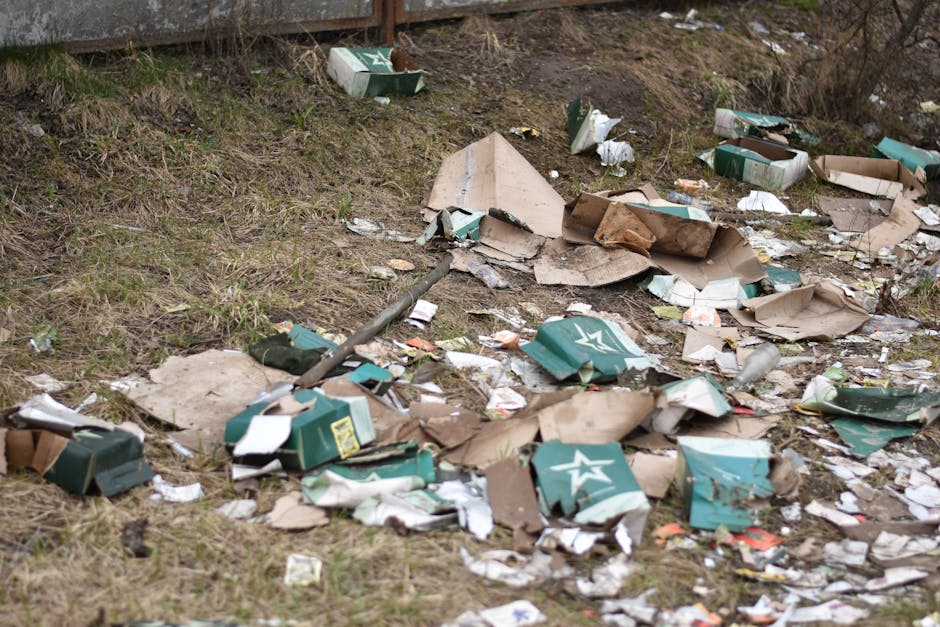
If your garden has quietly turned into a holding bay for cut branches, broken pots, soggy turf, and the odd old chair you meant to move weeks ago, you are not alone. Alperton Park garden rubbish clearance tips for residents are really about making that messy job simpler, safer, and a lot less stressful. The trick is not just getting rid of waste; it is doing it in a way that saves time, avoids repeated trips, and keeps your outdoor space tidy for longer. In a place like Alperton Park, where gardens can be compact and access is often a bit awkward, good planning makes all the difference.
This guide walks through the practical side of garden rubbish clearance: what to sort, how to prepare, what mistakes people tend to make, and when a professional service is worth considering. It is written for residents who want the job done properly, not just shuffled from one corner of the garden to another. Let's face it, nobody wants to clear the same pile twice.
- Why it matters
- How it works
- Key benefits
- Who needs this
- Step-by-step guidance
- Expert tips
- Common mistakes
- Tools and resources
- Law, compliance and best practice
- Options and comparison
- Real-world example
- Practical checklist
- Conclusion
- Frequently asked questions
Why Alperton Park garden rubbish clearance tips for residents Matters
Garden waste builds up in a very ordinary way. One weekend you trim a hedge, another day you repot plants, then a bit of storm damage lands on the lawn and suddenly the space feels cluttered. The problem is not just appearance. Piles of green waste can attract pests, hold moisture, and make simple jobs like mowing or weeding awkward and frustrating.
For residents, the value of a clear garden goes beyond looks. It helps you use the space properly, whether that means a small seating area, a safe play patch for children, or just room to walk without stepping over cuttings and old timber. In shared or terraced homes, it also matters for access. A crowded path or overfilled side return can turn a quick tidy-up into a longer, messier affair.
There is also the timing issue. Garden waste left too long tends to compact, smell damp, and become heavier than you remember. Fresh hedge cuttings are fine for a day or two. Leave them after a wet spell and they are a different story entirely. That is why a clear plan is more useful than a rushed sweep-up.
If you want broader support for mixed household waste, it can help to look at general waste removal support alongside garden clearance services. The overlap is often bigger than people expect, especially after a bigger outdoor clean-out.
How Alperton Park garden rubbish clearance tips for residents Works
The practical process is fairly simple, though the details matter. First, identify what is garden waste and what is not. Then separate the load into manageable groups so you know what can be bagged, stacked, cut down, or set aside for specialist disposal. After that, decide whether you are taking it away yourself, booking a collection, or combining both methods.
In a typical home garden, you may have a mix of:
- grass cuttings and leaves
- branches, twigs, and hedge trimmings
- soil, turf, and plant roots
- broken plant pots, trays, and garden ornaments
- old fencing, timber, or dismantled sheds
- occasional non-garden items that somehow ended up outside, like a rusty chair or storage box
The workflow gets much easier when you treat each material differently. Green waste is usually light but bulky. Soil is the opposite: small in volume, but surprisingly heavy. Wood may be reusable or recyclable depending on its condition. Mixed waste needs the most thought because it can slow everything down.
Many residents also find it helpful to start from the far end of the garden and work back toward the house. That sounds obvious, but it stops you carrying debris over clean areas. Small thing, big difference.
If your project is part of a larger property clear-out, related services such as house clearance or home clearance can help when the garden job is tied to a move, renovation, or long-overdue declutter.
Key Benefits and Practical Advantages
A good garden clearance routine saves more than time. It reduces strain, cuts down on repeat handling, and helps you avoid the classic pattern of moving one pile three times. To be fair, we have all done that at some point.
Here are the most useful benefits for residents:
- Less clutter - your outdoor space becomes usable again.
- Safer movement - fewer trip hazards, sharp edges, and hidden slippery patches.
- Easier gardening - mowing, weeding, pruning, and watering are all quicker when the area is clear.
- Better sorting - separating materials early can support recycling and reduce disposal costs.
- Cleaner finish - a proper clear-out makes the whole garden feel intentionally looked after rather than half-finished.
There is a practical side to this too. When waste is sorted well, it is simpler to load, simpler to lift, and simpler to remove without damaging fences, paving, or delicate planting. That matters in smaller gardens where every step counts. A neat stack today saves a headache tomorrow.
Residents often underestimate how much easier the next gardening job becomes once rubbish has gone. A clear base lets you see what actually needs doing. Sometimes the garden looks worse before it looks better, and then suddenly, it clicks.
Who This Is For and When It Makes Sense
These tips are useful for anyone in Alperton Park dealing with a one-off or regular garden tidy-up, but they are especially helpful in a few common situations.
- Post-storm clean-ups after branches, leaves, and broken debris land everywhere.
- Seasonal clear-outs in spring and autumn, when growth and leaf fall peak.
- Move-out or tenancy handovers where the outdoor space needs to look presentable.
- DIY landscaping projects that generate soil, turf, timber, or old edging materials.
- Long-neglected gardens where waste has gradually accumulated over time.
This also makes sense for residents with limited storage or no easy access to a car large enough for repeated tip runs. If your outdoor access is via a narrow side gate or shared path, the job can be harder than it first appears. And if the waste has been building up for months, a little planning saves a lot of hauling.
For flats, maisonettes, and smaller homes, a combined approach sometimes works best. For example, a resident may clear light green waste themselves but book help for heavier mixed debris. In those cases, flat clearance may also be relevant if the outdoor job is tied to indoor decluttering.
Step-by-Step Guidance
If you want the job to feel manageable, break it down. Big garden jobs become less intimidating once they are treated as a sequence rather than one giant ordeal.
- Walk the garden first. Check what is there, what is wet, what is heavy, and what might need cutting down before lifting.
- Separate waste into categories. Keep green waste, timber, soil, and mixed rubbish apart if possible.
- Remove hidden hazards. Look for nails, broken glass, rusty tools, or broken pot shards before gathering waste by hand.
- Cut bulky items down to size. Long branches, awkward logs, or dismantled panels are easier to move when shortened.
- Bag or bundle smartly. Use sturdy sacks for loose material and tie branches into smaller, safe bundles.
- Stage everything near access. Put the pile where it can be lifted out cleanly without dragging through clean areas.
- Decide on final removal. Reuse, compost, take away, or book collection depending on the waste type and volume.
A small but useful habit is to keep one "sort pile" and one "remove pile." It stops confusion and means you are not guessing at the end of the job. The last thing you want is to stand there at 6pm wondering whether that bundle is green waste or wood. Been there. Not fun.
If the work has become too bulky for a standard home clear-up, consider garage clearance or loft clearance as part of a wider declutter plan. A lot of homes have overflow items that migrate from one space to another.
Expert Tips for Better Results
The best garden rubbish clearances are not the ones where people work hardest; they are the ones where people work smartly. A few habits make a noticeable difference.
- Work in dry weather if you can. Wet cuttings weigh more and are harder to bag. Mud sticks. Simple as that.
- Use smaller loads. Overfilled bags tear, and overloaded bins are unpleasant to move.
- Keep sharp items separate. Broken terracotta and pruning waste do not belong in the same loose pile.
- Flatten what can be flattened. Cardboard, thin timber, and empty packaging should not take up more space than they need to.
- Protect surfaces. If you are dragging waste through a patio or side passage, lay down temporary protection or at least plan the route carefully.
One thing residents often miss is that garden clearances are much easier when you finish with a clean sweep. Not just the big stuff. The little bits too. Leaves in corners, twigs behind planters, that one broken tie you kept stepping on. The finishing pass matters.
If you prefer a more sustainable approach, read about recycling and sustainability practices on the site. It is a useful mindset for garden jobs because so much of the material is recyclable or compostable when handled properly.
Common Mistakes to Avoid
Garden clearance looks straightforward until the mistakes start stacking up. The same few issues come up again and again.
- Mixing everything together. Once soil, green waste, timber, and household rubbish are blended, sorting becomes slower and more expensive.
- Underestimating weight. A bag of damp soil can be far heavier than it looks. And yes, your back will notice.
- Leaving waste in the wrong place. Storing it against fences, drains, or walls can create damp and access problems.
- Ignoring sharp or hazardous bits. Broken metal, glass, and treated timber need proper caution.
- Using flimsy sacks. Cheap bags fail at the worst possible time, usually mid-lift.
- Waiting too long. Waste that sits around gets soggy, spreads, and attracts more mess.
There is another subtle mistake: doing the prettiest part first. People sometimes start by tidying the visible edge of the garden and leave the heavy middle area until last. That can work, but not if you have nowhere to put the waste. Start with access, then volume, then detail.
If the garden mess is connected to building work, it can be useful to separate it from builders waste clearance. Garden debris and construction debris often look similar from a distance, but they should not be handled the same way.
Tools, Resources and Recommendations
You do not need a shed full of specialist kit, but the right basics will make the job easier and safer.
| Tool or item | What it helps with | Why it matters |
|---|---|---|
| Heavy-duty gloves | Handling thorny, dirty, or sharp waste | Protects your hands and improves grip |
| Sturdy sacks or reusable garden bags | Collecting cuttings and loose debris | Stops bags splitting mid-job |
| Secateurs or loppers | Cutting branches down to size | Makes awkward waste easier to stack |
| Wheelbarrow or tub trug | Moving heavier loads | Reduces repeated lifting |
| Rake and broom | Collecting leaves and final debris | Creates a cleaner finish |
Useful digital resources on the site include pricing and quote information if you are comparing the cost of doing it yourself versus booking help. You may also want to review insurance and safety information if the job involves awkward lifting, access issues, or heavier mixed waste.
For residents who prefer to understand how the company works before booking anything, the about us page is a sensible place to start. It helps establish who is handling the clearance and the general service approach.
Law, Compliance, Standards, or Best Practice
For garden rubbish clearance, the safest approach is to follow normal UK waste best practice: keep waste sorted where possible, avoid fly-tipping, and use a legitimate carrier for anything you are not moving yourself. That is the broad principle, and it is worth taking seriously. No one wants a simple garden tidy to become a disposal problem later.
Residents should be especially careful with items that are not plain green waste. Treated wood, broken fixtures, paint tins, old electrical pieces found in sheds, or anything potentially contaminated should be treated cautiously. If you are unsure what it is, do not assume it can be thrown in with hedge trimmings. Better to pause and check than create a mess you cannot unwind.
Good practice also means keeping clear access routes, avoiding obstruction for neighbours, and not placing waste where it could blow, leak, or block drains. In dense residential streets, that matters more than people realise. A windy day can move light garden waste around faster than you can say "I'll sort it later."
If you are booking a service, it is sensible to review the company's terms and conditions and health and safety policy. That is not just admin. It helps you understand expectations, access needs, and how the work will be carried out.
Options, Methods, or Comparison Table
There is more than one way to clear a garden. The right choice depends on waste type, volume, time, and how much lifting you want to do yourself.
| Method | Best for | Advantages | Drawbacks |
|---|---|---|---|
| DIY bagging and local disposal | Small, light loads | Flexible and low-cost if you already have equipment | Time-consuming; lifting and transport are on you |
| Compost and reuse | Leaves, grass, and soft green waste | Eco-friendly and practical for recurring garden care | Not suitable for mixed or bulky material |
| Professional clearance | Large, mixed, or awkward loads | Fast, less physical strain, easier for access problems | Usually costs more than doing it yourself |
| Combined approach | Medium jobs with both light and heavy waste | Balances cost and convenience | Requires some planning and sorting first |
For many residents, the combined approach is the sweet spot. You can keep compostable material aside, sort out the obvious recyclables, and book help for the bulky remainder. It is tidy, efficient, and usually less stressful than trying to do everything in one go.
If the clearance is part of a larger domestic clean-up, you might also find furniture disposal guidance helpful when old patio seating, benches, or broken outdoor furniture is involved.
Case Study or Real-World Example
Picture a typical weekend in Alperton Park. A resident opens the back gate on a Saturday morning and finds a winter's worth of leaves, a few broken plant pots, some cut hedge branches, and an old watering can that has somehow survived every previous tidy-up. The garden is not huge, but it feels blocked. You can hear the problem before you fully see it: bags rustling, twigs snapping underfoot, the slight squelch of damp soil near the path.
Instead of piling everything together, the resident sorts it into three groups. The soft green waste goes into sacks. The branches are cut down and bundled. The broken pots and old metal bits are kept separate. By lunchtime, the access path is clear, the waste is staged neatly, and the remaining job is simple rather than chaotic.
That is the real lesson. The job did not become smaller. It became clearer. And clearer jobs are easier to finish. A neighbour might glance over and think, "That looks manageable," when really the difference was just good sorting and a bit of patience. Nothing flashy.
In bigger clear-outs, a resident may combine garden work with furniture clearance if outdoor chairs, broken storage units, or patio pieces are being replaced at the same time. That keeps the project in one coherent sweep instead of spreading it across the month.
Practical Checklist
Use this before you start, and again before you book any removal help.
- Walk through the garden and note all waste types
- Separate green waste from timber, soil, and mixed rubbish
- Check for sharp, heavy, or awkward items
- Trim bulky branches and break down large pieces where safe
- Choose strong bags or containers
- Keep access routes clear
- Protect paving, fences, and planted areas where needed
- Decide what can be reused, composted, recycled, or removed
- Review any service terms and safety guidance if booking help
- Do a final sweep for small debris, nails, and loose fragments
Quick takeaway: sort early, lift less, and never let mixed waste become a single mystery pile. That one habit makes the whole job calmer.
If you are comparing options or want a clearer idea of what is involved, take a look at pricing and quotes and the main contact page to plan your next step without any guesswork.
Conclusion
Good garden rubbish clearance is not really about brute force. It is about making simple decisions in the right order. Once residents sort the waste properly, protect access, and tackle the job in stages, the whole process becomes less daunting and much more effective. That is especially true in Alperton Park, where small gardens, side access, and mixed household waste can make even a modest tidy-up feel bigger than expected.
The best result is a garden that feels calm again. Clear paths. Properly sorted waste. Less backache. Fewer delays. And a space that is ready for the next job, whether that is planting, relaxing, or simply enjoying a quieter view from the back door.
Get a free quote today and see how much you can save.
And if all you manage this week is one tidy corner and a proper plan for the rest, that is still progress. Sometimes that is exactly how a good clear-out starts.
Frequently Asked Questions
What is the best way to start garden rubbish clearance at home?
Start by walking the whole garden and grouping waste into green waste, timber, soil, and mixed rubbish. Once you can see the categories clearly, the work gets much easier.
Can I put all garden waste into one bag?
You can, but it is rarely the best idea. Mixed bags get heavy quickly, tear more easily, and can make disposal harder. Separate waste where possible.
How do I deal with wet grass cuttings and leaves?
Let them dry a little if you can, then bag them in smaller loads. Wet cuttings are much heavier and can be awkward to move.
What garden waste should I keep separate?
Keep soil, treated timber, broken pots, metal, and any suspicious mixed debris separate from soft green waste. That helps with safe handling and disposal.
Do I need a professional service for a small garden clearance?
Not always. If the load is light and you have the time and equipment, DIY can work well. A professional service makes more sense when the waste is bulky, heavy, or difficult to access.
How can I make garden waste easier to move?
Cut branches down, use smaller bags, and stage the waste close to the exit route. Less carrying, less strain. Very simple, but it works.
What should I do with broken plant pots and old garden items?
Separate broken pots, metal pieces, and old outdoor items from green waste. They often need different handling, especially if they are sharp or heavy.
Is it worth comparing garden clearance with general waste removal?
Yes. If your garden contains mixed waste or household overflow, general waste removal may be relevant alongside garden clearance. It depends on what you are actually clearing.
How do I avoid damage to my patio or fencing during clearance?
Plan the route before you start, keep loads small, and avoid dragging sharp or heavy items over surfaces. A bit of care here saves annoying repair work later.
What should I check before booking a clearance service?
Check the service terms, safety information, and pricing approach. It also helps to know whether the waste is mainly green, mixed, or bulky household material.
Can garden rubbish be recycled or reused?
Often, yes. Green waste may be compostable, some timber may be reusable, and certain items can be separated for recycling. It depends on the condition and the material.
Why does my garden seem messier after I start clearing it?
That is normal. Once you move the obvious clutter, you start noticing the smaller bits underneath. It looks worse before it looks better, then suddenly the space starts making sense again.
Helpful next step: if your garden clearance is part of a bigger tidy-up, you can also review home clearance support and sustainability guidance to make the whole process easier to manage.