A Guide to Giving New Life to Discarded Pots and Pans
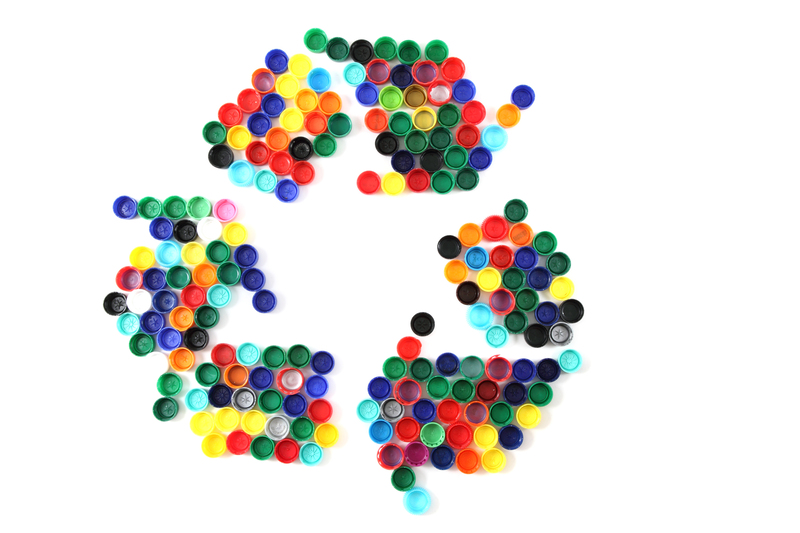
A Guide to Giving New Life to Discarded Pots and Pans
You pick up a dented saucepan with a loose handle and wonder: is this the end of the line, or could it cook one more family meal? Truth be told, most old cookware isn't "rubbish"--it's potential waiting in the cupboard. This is your expert, practical, and deeply human guide to reviving, upcycling, or responsibly recycling old pots and pans. From cast iron that just needs a bit of love, to scratched non-stick that shouldn't return to the hob but could make a gorgeous planter--this is the long-form, UK-savvy resource you can trust.
We'll walk through the "how" with step-by-step methods, the "why" with data you can count on, and the "what next" with real-world examples. You'll learn how to keep cookware safe for food contact, when to repurpose, and where to recycle metal properly. And yes, we'll talk about the satisfying bits too--the gleam of revived stainless steel, the toasty smell of fresh cast-iron seasoning coming out of the oven. You'll see.
On a rainy Tuesday in London, a client showed me her grandmother's skillet: rusted, sticky, and... oddly beautiful. Two hours later, the orange flecks were gone, and the first whisper of seasoning shone back. She cried (happy tears). These moments matter.

Table of Contents
- Why This Topic Matters
- Key Benefits
- Step-by-Step Guidance
- Expert Tips
- Common Mistakes to Avoid
- Case Study or Real-World Example
- Tools, Resources & Recommendations
- Law, Compliance or Industry Standards (UK-focused)
- Checklist
- Conclusion with CTA
- FAQ
Why This Topic Matters
Cookware is one of the most tossed-out categories during clear-outs and house moves. Yet metal is infinitely recyclable, and many pans can be repaired or repurposed. In the UK, the waste hierarchy--prevention, preparation for reuse, recycling, then recovery and disposal--sets a clear expectation: give items a second life before sending them away. Under the Waste (England and Wales) Regulations 2011, organisations must consider this hierarchy. Households aren't prosecuted over a frying pan, of course, but the principle stands.
There's also a simple emotional truth here. The pan you used for your first risotto? The dented pot from a student flat? They carry stories. And when you bring them back to life--or reimagine them as planters or lamps--you keep those stories. It's kinda lovely.
From a sustainability standpoint, the numbers are persuasive: recycling aluminium saves up to about 95% of the energy needed to produce it from raw materials; steel recycling typically saves between 60-74% of energy, according to industry sources like the International Aluminium Institute and the World Steel Association. Repair and reuse usually save even more, by avoiding new manufacturing entirely. In short: the greener choice is almost always the one that keeps your cookware in circulation.
Key Benefits
- Save money: Restoring a pan is often cheaper than replacing it. Re-seasoning cast iron costs pennies compared to buying new.
- Reduce waste: You keep bulk metal out of the bin and reduce demand for new resources. Clean, clear, calm. That's the goal.
- Improve performance: A well-seasoned pan is naturally non-stick; polished stainless conducts beautifully; even old lids and handles can find new homes.
- Safety and compliance: Understanding food-contact safety, coatings, and what's truly repairable keeps your kitchen healthier.
- Personal satisfaction: There's a quiet joy in turning "useless" into useful. You'll feel it when a stubborn stain finally lifts.
- Circular economy: Donation, resale, and repair help your local community and align with UK circular-economy goals and WRAP guidance.
Step-by-Step Guidance
This is the practical heart of A Guide to Giving New Life to Discarded Pots and Pans. We'll cover the main materials and scenarios you'll encounter--then when to repurpose or recycle.
1) Assess Your Cookware Quickly (2-minute triage)
- Check the surface: Is non-stick scratched or peeling? Is stainless stained but intact? Is cast iron rusty but solid?
- Inspect the base: Warped base means poor heat distribution; light warping is tolerable on gas, not on induction.
- Look at handles and rivets: Loose screws can be tightened; broken rivets may need specialist repair or replacement.
- Test for induction (if needed): A magnet sticking to the base suggests compatibility.
- Smell test: Persistent chemical odours after washing could signal degraded coatings--best to retire from food use.
Quick story: I once picked up a heavy pan and the handle wobbled like jelly. Tightened one screw. Ten seconds. Sorted.
2) Reviving Cast Iron (skillets, griddles, Dutch ovens)
Good news: Cast iron is nearly indestructible and responds brilliantly to restoration.
- Strip old grime: For light rust, scrub with steel wool and warm soapy water (yes, soap is fine at this stage). For heavy build-up, use a lye bath (sodium hydroxide) to remove old seasoning, followed by a brief vinegar soak (1:1 water and white vinegar) to lift rust. Never soak in vinegar longer than necessary; it can pit iron.
- Neutralise and dry: Rinse thoroughly, then warm in an oven at ~100-120?C to drive off moisture. You should see the surface turn a dry matte grey.
- Season thin and hot: Wipe a tiny amount of high-smoke-point oil (grapeseed, rapeseed, or flaxseed) all over, then buff until it looks almost dry. Bake upside down at 230-250?C for 60 minutes, cool in the oven. Repeat 2-4 times. Thin layers are key.
- Maintain: After cooking, wipe clean; if needed, add a splash of water while the pan is warm to deglaze, then dry and oil lightly. Avoid long, soapy soaks.
The first time you pull that pan out and see a rich, satin-black sheen... you'll grin. Happens every time.
3) Stainless Steel: From Rainbow Tints to Mirror Shine
Stainless steel is durable, safe, and elegant when clean. Often, it only needs targeted TLC.
- Remove burnt-on food: Simmer water with a tablespoon of bicarbonate of soda for 10-15 minutes. Let cool, then scrub with a nylon pad.
- Lift rainbow discolouration (heat tint): Use an oxalic-acid cleaner (e.g., Bar Keepers Friend). Apply a paste, rub with the grain, rinse thoroughly.
- Deal with tea/coffee tannins: Soak with warm water and a teaspoon of citric acid. Rinse well.
- Polish: Use a microfibre cloth; avoid abrasive steel wool which can leave particles that rust.
Note: Pitting corrosion can't be undone. If pits are inside the cooking area, consider retiring it from food use and upcycling.
4) Aluminium and Anodised Aluminium: Gentle but Effective
Aluminium is a brilliant heat conductor but easily stained and sometimes reacts with acidic cleaners.
- General clean: Warm water, mild detergent, soft sponge.
- Stain lift: Simmer water with cream of tartar (1 tbsp per litre) for 10 minutes. Rinse and dry.
- Don't use strong alkalis (like oven cleaner) or prolonged vinegar soaks on bare aluminium; it can darken and pit.
- Anodised surfaces: Treat gently; avoid abrasive pads that remove the protective layer.
A slightly scuffed aluminium pot can make a fantastic herb planter on a kitchen windowsill. Looks rustic, smells of basil, makes you smile.
5) Non-Stick (PTFE or Ceramic): Safety First
If the coating is scratched, blistered, or peeling, retire from food use. There's no reliable DIY method to re-coat at home to food-safe standards. Some commercial coaters can re-coat cookware, but minimum order quantities and costs usually make it impractical for households.
- Still usable? Light surface wear without scratches that expose the base may be fine; use silicone or wooden tools, low-medium heat.
- Repurpose: Convert damaged non-stick to non-food uses: planters, parts trays for the shed, paint-dip bowls for DIY.
- Recycle: Many UK metal recyclers accept non-stick pans; the coating is removed during the metal reclamation process.
6) Fixing Handles, Lids and Rivets
- Loose screws: Add a drop of food-safe thread locker or a sliver of PTFE tape; tighten firmly.
- Cracked plastic handles: Replace with manufacturer parts if available; universal handles exist for some pan types. Avoid makeshift glues that aren't heat- or food-safe.
- Rivets: If rivets are failing, a local metalworker may re-rivet. For budget pans, it may be more cost-effective to repurpose or recycle.
- Lids: Spare lids sell well. Don't bin them--list them online or donate to a charity shop.
Ever tried clearing a room and found yourself keeping everything "just in case"? Lids are the one time that instinct pays off.
7) Dealing with Warped Bases
Warping happens when a hot pan hits cold water or is overheated. Minor warping may be tolerable on gas hobs. On flat electric or induction hobs, wobble equals cold spots.
- Test: Place on a glass surface; if it rocks significantly, it's not ideal for flat hobs.
- Fix? DIY flattening is rarely successful and can weaken the metal. Best to repurpose or recycle.
8) Upcycling Ideas That Actually Look Good
- Herb planters: Drill drainage holes, fill with gravel, compost, and herbs. Label with paint pens. The scent of mint on a July morning? Bliss.
- Bird bath or feeder: An old wok or shallow casserole on a pedestal becomes a garden feature.
- Wall storage: Mount pans on a peg rail as functional decor; hang small pots as utensil caddies.
- Light fixtures: Enamel colanders make charming pendant lights. Use proper electrical fittings and a qualified electrician.
- Clocks: A shallow pan plus a clock kit equals a quirky kitchen timepiece.
- Workshop trays: Organise screws, bolts, and drill bits. You'll thank yourself later.
Yeah, we've all been there--buying another box of screws because the first six boxes vanished into the garage void.
9) Responsible Recycling in the UK
- Kerbside: Many councils accept small metal items, but rules vary. Check your local authority's guidance.
- Household Waste and Recycling Centres (HWRCs): Take pots and pans to the metal recycling area. Staff will point the way--usually near scrap metal cages.
- Scrap yards: Licensed dealers accept ferrous and non-ferrous metals. Under the Scrap Metal Dealers Act 2013, they won't pay cash--expect bank transfer or cheque.
- Charity & reuse: If safe and clean, donate. Some charities collect; others accept in-store.
Pro tip: Separate mixed materials if you can--remove wooden handles or plastic knobs. Metal recyclers appreciate it, and you may improve the value.
Expert Tips
- Heat control is everything: Warping, scorching, and coating breakdown start with excessive heat. Medium does most jobs beautifully.
- Use the right cleaners: Oxalic acid pastes for stainless; cream of tartar for aluminium; salt-and-oil scrub for cast iron. Match tool to task.
- Season cast iron thinly: If you can see wet patches, you used too much oil. Buff again until it looks barely oiled.
- Avoid metal utensils on non-stick: Silicone or wood keeps coatings intact longer.
- Dry thoroughly: After washing cast iron, warm it to steam off moisture, then oil. Rust is sneaky and fast on damp iron.
- Get spare parts: Keep a small set of common handle screws and knobs. The ?4 fix that saves a ?60 pan--very British, very satisfying.
- Induction check: Not all stainless is magnetic; a ?1 fridge magnet tells you instantly.
- Label upcycled planters: A silver paint pen or stamp gives them a coherent, intentional look.
I once seasoned a pan on a chilly evening; the smell was nutty and warm, and you could hear the faint tick of cooling iron. Small things. But they stick with you.
Common Mistakes to Avoid
- Using harsh abrasives on non-stick: It just speeds up the end. Be gentle.
- Soaking cast iron overnight: Hello rust. Keep water contact brief; dry and oil immediately.
- Over-oiling for seasoning: Thick, sticky layers flake. Thin coats, high heat, patience.
- Believing all stains are dirt: Some discolouration on stainless is totally harmless heat tint.
- DIY electrical work for lamp upcycles: In the UK, use proper fittings and, ideally, a qualified electrician.
- Keeping unsafe cookware in use: Deep non-stick scratches or pitted interiors? Repurpose or recycle, not for food.
- Dumping mixed materials at the tip: Remove plastic and wood to simplify metal recycling.
To be fair, we all get enthusiastic and over-scrub a bit. Take a breath--slow and steady wins this race.
Case Study or Real-World Example
The London Balcony Rescue
It was raining hard outside that day. A family in Hackney wanted to cut clutter and save money. Here's how we turned a pile of "useless" cookware into kitchen heroes and garden charm:
- Cast iron skillet (rusted): Stripped with steel wool, brief vinegar dip, oven-dried, then three ultra-thin seasoning coats at 240?C. Result: slick, black, and honestly better than new. Cost: ~?2 in materials, a bit of elbow grease. Saved: ~?40-?80 on a replacement.
- Stainless saucepan (rainbow tint, burnt rice incident): Boiled with bicarbonate, scrubbed, oxalic-acid polish. Result: mirror finish, perfect for sauces. Time: 20 minutes.
- Aluminium stockpot (dented base): Not suitable for the induction hob anymore. Upcycled into a rosemary planter; drilled drainage holes, added pebbles and compost. Smell of rosemary on damp mornings? Lovely. Cost: ?0 (reused soil from an old bag). Joy factor: high.
- Non-stick frying pan (scratched): Retired from cooking. Cleaned and converted into a parts tray for bicycle maintenance. The owner actually uses it weekly now.
- Odd glass lid: Listed on a local marketplace; matched by a neighbour the same day. Free for them, space saved for us.
Ever wondered why small wins feel big? Because they change what you see when you open a cupboard. From "mess" to "options". You'll see why.
Tools, Resources & Recommendations
Essential Tools
- Nylon scrub pads; non-scratch sponges
- Steel wool (for cast iron only)
- Microfibre cloths
- Bar Keepers Friend or similar oxalic-acid cleaner
- Bicarbonate of soda, white vinegar, citric acid, cream of tartar
- High-smoke-point oil: rapeseed, grapeseed, or flaxseed for seasoning
- Basic screwdrivers, Allen keys; PTFE tape; small adjustable spanner
- Drill with metal bits (for planters), deburring tool or file
- PPE: Gloves, safety glasses, and a mask for dusty or chemical tasks
Where to Reuse or Recycle in the UK
- Charity shops: Accept clean, functional cookware.
- Reuse networks: Freecycle, Freegle, local Facebook groups.
- HWRCs: Household Waste and Recycling Centres, metal section.
- Licensed scrap metal dealers: Bring ID; expect non-cash payments.
When to Call a Professional
- Rivet repairs on high-value pans
- Professional polishing for heirloom copper or stainless
- Electrical work for upcycled lights
Sometimes paying a specialist turns a "maybe" into a heirloom. Worth it.
Law, Compliance or Industry Standards (UK-focused if applicable)
- Waste Hierarchy: Waste (England and Wales) Regulations 2011 require consideration of the hierarchy: prevention, reuse, recycling, recovery, disposal. Households aren't policed, but councils and businesses are guided by it.
- Duty of Care: Environmental Protection Act 1990, Section 34--applies to businesses handling waste. For households, the spirit is to dispose responsibly via your council or licensed facilities.
- Scrap Metal Dealers Act 2013: Dealers must be licensed; no cash payments for scrap metal.
- Food-contact safety: In the UK, the retained version of Regulation (EC) 1935/2004 applies to materials intended to contact food. DIY coatings are generally not certified; avoid home re-coating for food-contact.
- Cookware safety standards: EN 12983-1 (domestic cookware--safety and general requirements) provides industry benchmarks. Manufacturers adhere; home repairs should not compromise safety.
- Electrical safety: If turning cookware into lights, follow UK wiring regulations; consider a qualified electrician for installation.
These aren't just acronyms and numbers. They're the guardrails that keep our kitchens safe and our waste streams sensible.
Checklist
- Identify material: cast iron, stainless, aluminium, non-stick, copper
- Check for structural issues: cracks, deep pitting, severe warping
- Decide: restore for cooking, repurpose, or recycle
- Gather tools: cleaners, pads, oil, screwdriver, PPE
- Restore using material-specific methods
- Replace or tighten handles/knobs if needed
- Upcycle ideas for items leaving the kitchen
- Recycle metal responsibly; separate mixed materials
- Donate clean, safe items; list spare lids online
- Maintain: gentle cleaning, avoid extreme heat, store dry
One line to remember: if it's safe and solid, it probably has a second life.
Conclusion with CTA
Let's face it: giving up on old cookware is easy. But you're not looking for easy--you're looking for smart. With the right methods, a bit of patience, and a friendly nudge from this guide, your discarded pots and pans can become everyday workhorses again--or stylish, story-rich pieces around the home and garden.
A Guide to Giving New Life to Discarded Pots and Pans isn't about perfection. It's about momentum. Clean one, season another, plant herbs in a third. Suddenly, your kitchen and your conscience feel lighter.
Get a free quote today and see how much you can save.
And breathe. You did something good--practical and kind. For your home, and the world a little bit too.
FAQ
Is it safe to cook on a scratched non-stick pan?
If the coating is deeply scratched, blistered, or peeling, retire it from food use. There's no reliable DIY method to restore food-safe non-stick at home. Repurpose or recycle instead.
How do I season a cast iron pan properly?
Strip any rust, dry thoroughly, apply a very thin coat of high-smoke-point oil, buff nearly dry, and bake at 230-250?C for 60 minutes. Cool in the oven and repeat 2-4 times. Thin layers are everything.
Can I fix a warped stainless or aluminium pan?
Not reliably at home. Light warping can still work on gas but is problematic on flat hobs. Consider repurposing or recycling.
What's the best way to remove burnt-on food?
For stainless, simmer water with bicarbonate of soda, cool, then scrub. For cast iron, avoid long soaks; gently scrape and re-oil. For aluminium, use cream of tartar in simmering water.
Is pitted stainless steel safe?
Minor pitting outside the cooking area is usually fine. Deep pitting inside the cooking zone traps residues--better to retire that item from food use and repurpose.
Can I recycle pots and pans at the kerbside in the UK?
Some councils accept small metal items kerbside, but it varies. Most HWRCs accept cookware in the metal section. Check local guidance to be sure.
Are there any UK regulations on reusing old cookware?
For personal household use, there's no specific approval needed, but food-contact rules (retained EU 1935/2004) inform what's safe. Avoid DIY food-contact coatings. For selling refurbished cookware, ensure it's clean, safe, and fit for purpose.
How do I remove rainbow discolouration from stainless steel?
Use an oxalic-acid cleaner like Bar Keepers Friend. Make a paste, rub with the grain, rinse thoroughly, and dry.
What oil should I use for seasoning cast iron?
High-smoke-point oils like grapeseed or rapeseed are excellent. Flaxseed creates a hard film but can be brittle if applied too thickly. Keep layers thin.
Can I donate old pots and pans to charity shops?
Yes--if they're clean, safe, and functional. Remove heavy staining or rust first. Charity shops often welcome decent cookware; spare lids can also be popular.
Is it worth paying to re-coat non-stick pans?
For domestic items, usually not. Commercial re-coaters often have minimum quantities and costs that exceed buying a new pan. Safer to replace for cooking and upcycle the old one.
How do I safely upcycle a pan into a light fixture?
Use a proper lamp holder, strain relief, and heat-rated cable. In the UK, follow wiring guidance and consider a qualified electrician for installation.
What about copper pans--are they safe?
Copper conducts heat superbly but should be lined (usually with stainless or tin) for food safety. Worn tin linings can be re-tinned by specialists; bare copper isn't suitable for most cooking.
Any quick way to tell if a pan works on induction?
Yes--use a magnet. If it sticks strongly to the base, it's likely induction-compatible. If not, it may still work with an induction interface plate.
How do I keep revived cookware looking good?
Gentle cleaning, avoid sudden temperature shocks, dry thoroughly, and store with pan protectors or paper towels between items. Little habits, big difference.
One last thought: kitchens are where life happens. Give those old pots and pans a chance to keep showing up for you--just a bit shinier, a bit wiser.